Established in 1973, the Electronic Visualization Laboratory (EVL) is an interdisciplinary research laboratory in the UIC College of Engineering’s Computer Science department. EVL specializes in collaborative visualization, virtual reality, visual data science, and advanced computing and networking infrastructure. EVL enables scientists and engineers to uniquely manage the scale and complexity of their data - to create information visualizations of multidimensional and multivariate data, explore 3D immersive worlds, juxtapose related yet heterogeneous 2D and 3D datasets, access computer infrastructure for machine learning, and move large datasets over high-speed networks - thereby using advanced tools and technologies to access, display, share and interact with their data and glean insight and knowledge.
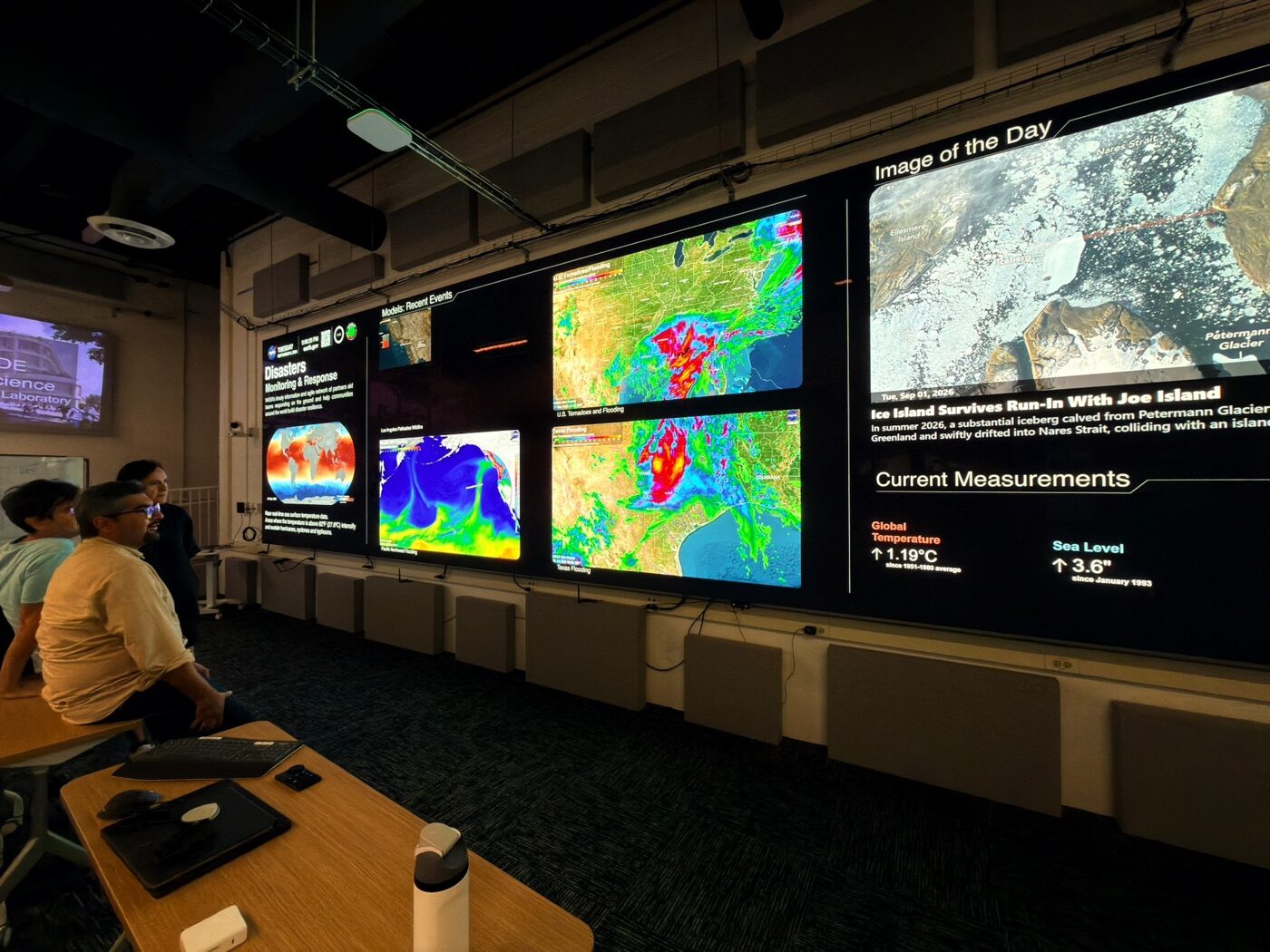
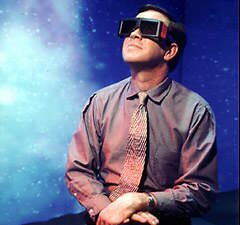
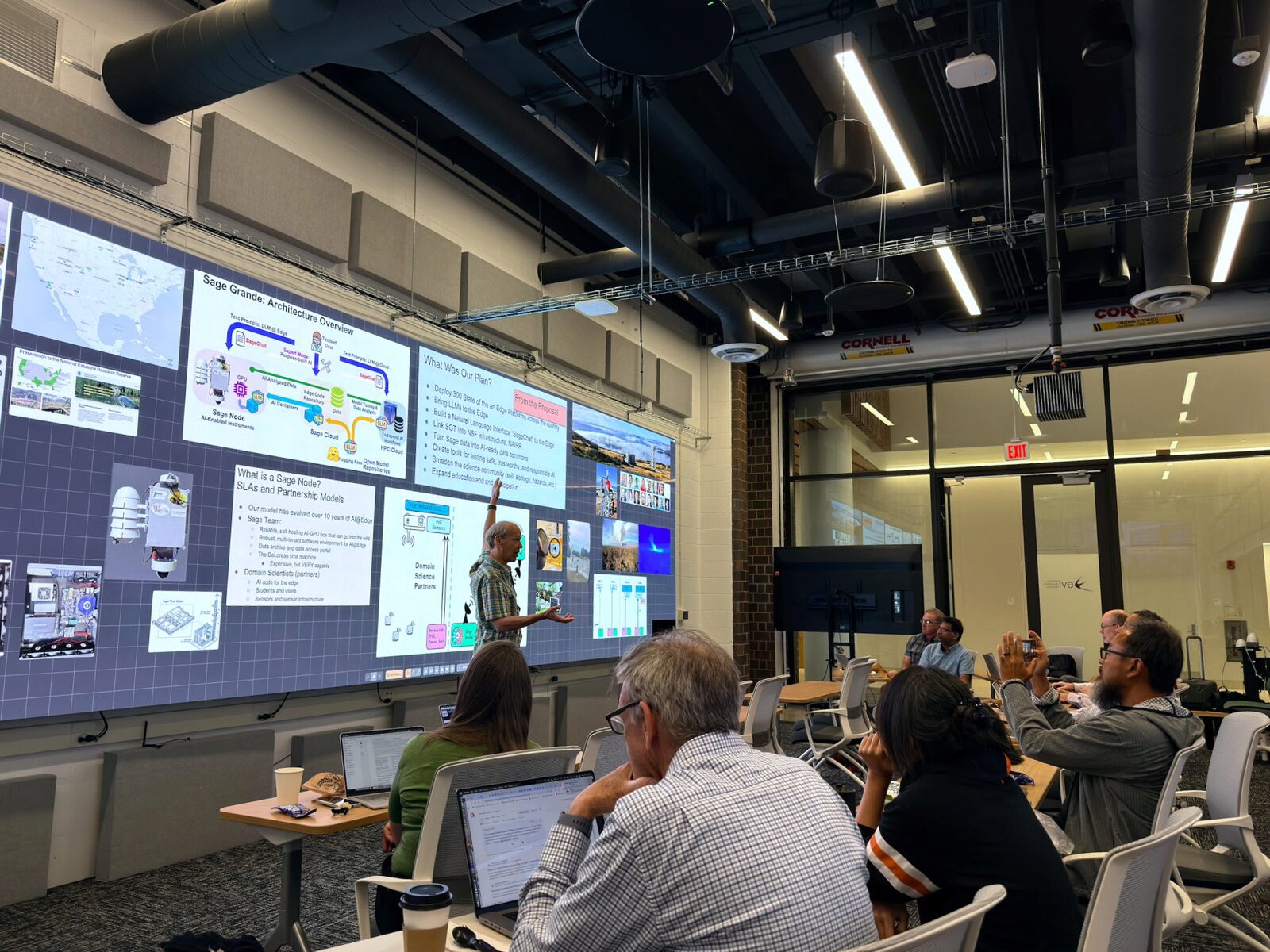
EVL has always looked 10-15 years into the future, and has a legacy of past successes. In the ’70s, the Lab pioneered real-time interactive graphics and videogame technology; in the ’80s, it began focusing on scientific visualization; in the ’90s, it focused on advanced virtual reality, and on high-speed networking infrastructure; and, in the ’00s, on accessing, sharing and displaying ultra-high-resolution images on tiled display walls. EVL’s best-known inventions include the CAVE™ virtual-reality environment, the ImmersaDesk™, OptIPortal, and the SAGE™ scalable adaptive graphics environment, and the Continuum Collaborative Smart Space; EVL’s key networking initiative is StarLight.